All Categories
Featured
Table of Contents
Digital change is a strategic restructuring of a company built on technology, including procedures, culture, customer experience, and governance designs. This term has been utilized thoroughly in presentations, tenders, and technique sessions over current years, it ultimately comes down to a really concrete concern: can a business quickly alter the method it operates when the market, consumer habits, or new innovations demand it? It is very important not to puzzle improvement with automation they are not the exact same.
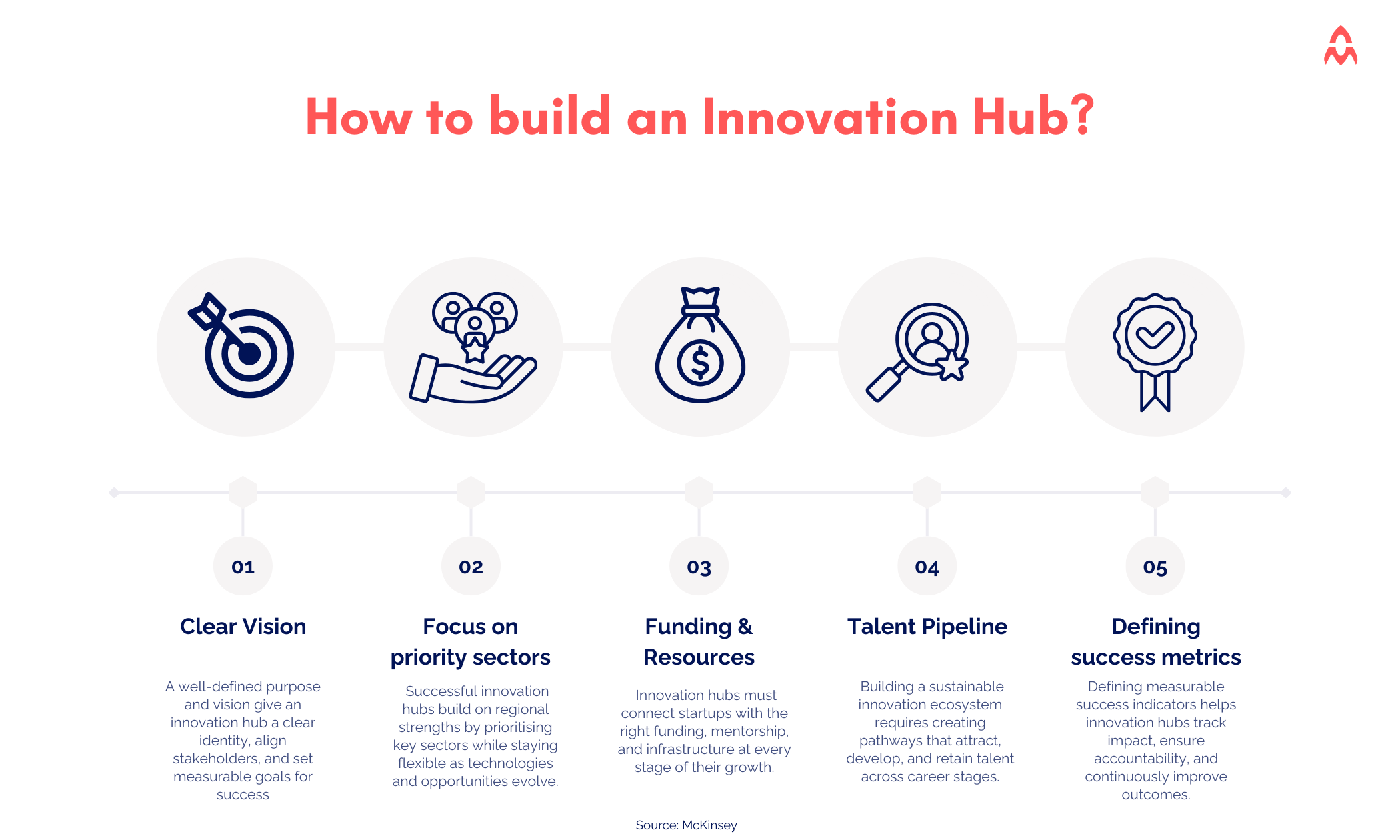
Replacing paper applications with an online form, presenting a chatbot instead of a call center, or carrying out a CRM so supervisors no longer track clients in notebooks. Improvement is a far more essential procedure. It is not practically carrying out a CRM, however about moving to a totally transparent sales model.
Not simply releasing a customer app, however creating a new sales channel that is individualized in genuine time. In other words, we are talking about altering the internal logic of the company when a company moves away from operating by inertia and begins making choices based on data. In 2026, entrepreneur no longer require to be convinced of the value of digital modification.
Essential Tips for Building Smart Innovation
What does this mean in truth? Consumers anticipate simplicity, speed, and openness. Markets change in months, not years. And teams must have the ability to adjust and adjust procedures to brand-new conditions. Business that comprehend the value of digital change now run with confidence without excessive approvals, without handbook control, without gaps between marketing and operations.
Others, on the other hand, spend time on endless discussions, looking for the best information in Excel spreadsheets, and as an outcome stop working to make fast and efficient strategic choices. The genuine advantage of improvement is not stylish tools, however the clarity it brings lastly seeing what is happening inside business and understanding how to influence it.
But setting up brand-new software resembles altering the stage set in a theater and anticipating the efficiency to enhance. Digital change is far more comprehensive: the script should be reworded, roles rethought, and stars re-trained to perform differently. And all of this takes place not during wedding rehearsal breaks, but live, during the efficiency itself.
Just when all of them work in positioning does improvement stop looking like yet another technical task and begin providing genuine business impact. It is at the intersection of these elements that digital change trends emerge determining who sets the speed and becomes the main character, and who stays in the audience.
It specifies the speed of modification, the dependability of procedures, and the ability to scale without disruptions. Modular IT architecture that is easily adaptable and does not interrupt service operations with every update.
Technical Roadmaps for Managing Global Innovation
Company processes are the functional logic of a business. If they are chaotic, even the finest system will not have the ability to make the work effective. Manual duplication of actions, parallel approval chains, nontransparent stages, and unneeded disturbance with tasks take in resources daily. Remove the unnecessary: get rid of steps that do not add value.
That launching a new item takes 3 weeks instead of 6 months. That customers don't wait a day for an action, however get it within minutes.
Without a modification in mindset, improvement does not work. Organizational culture needs to support change.
Digital transformation makes no sense if the consumer does not feel it. Technically, whatever may look perfect: brand-new systems carried out, procedures automated, polished dashboards in location. If the consumer still waits two days for order confirmation, gets confused by payment options, or has to call to receive a basic response, this is poor improvement.
Scalable Foundations for Next-Gen Tech Success
Customer experience is an end-to-end logic: from the first click on the site to post-purchase assistance. Transformation should connect these touchpoints into a single, constant system, where each step is a rational continuation of the previous one. The client does not assess improvement itself, however benefit, speed, and a sense of control.

Latest Posts
A Strategic Roadmap to Digital Transformation Success
Securing Enterprise R&D Strategies
Enhancing Smart Systems Within Innovation