All Categories
Featured
Table of Contents
Deloitte highlights a substantial space in between pilot and production: only 11% of surveyed organizations use representatives in production, and 35% report no formal strategy. Typical blockers consist of legacy combination, information architecture restraints, and inadequate governance frameworks. Reasoning system costs have fallen dramatically, yet overall AI invest rises due to the fact that usage scales much faster than cost decreases.
The technology meant to give businesses a benefit is ending up being the target used versus them. AT&T's primary details gatekeeper recorded the challenge: "What we're experiencing today is no various than what we have actually experienced in the past. The only distinction with AI is speed and effect." Organizations needs to protect AI throughout four domainsdata, models, applications, and infrastructurebut they also have the chance to utilize AI-powered defenses to combat risks running at device speed.
They lead with problems, not technology. Broadcom's CIO: "Without focusing on a specific service issue and the value you want to obtain, it could be easy to invest in AI and receive no return.
Distributed Computing As An Innovation CatalystWestern Digital's CIO: "We 'd rather fail quick on little pilots than miss the wave completely. Walmart included shop associates in constructing its scheduling app, which includes shift switching, schedule visibility, and employee control.
Shortening Innovation Cycles in Modern Enterprises
Coca-Cola's CIO explained their journey as moving from "What can we do?" to "What should we do?" That shiftfrom capability-first to need-firstis what separates productive experimentation from pilot purgatory. I've tracked technology evolution enough time to acknowledge the patterns. The internet altered everything. Mobile improved consumer habits. Cloud computing was transformative.
It's not just that AI is powerful. Organizations developed for sequential improvement can't contend with those operating in continuous learning loops. That presumption no longer holds.
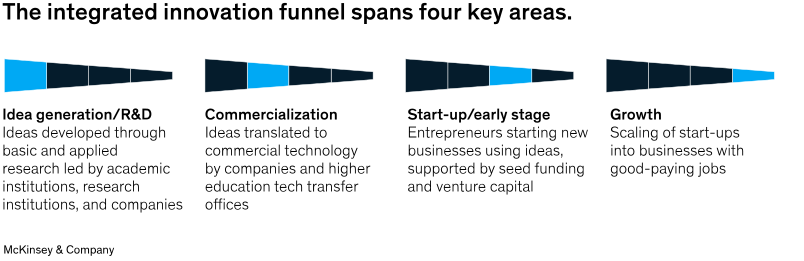
They'll be those with the guts to redesign instead of automate, the discipline to link every investment to service results, and the speed to carry out before the window closes. Development compounds. The gap between laggards and leaders grows exponentially. How you react figures out which side of that space you're on.
We hope this year's publication reminds you that everybody's facing this rapid pace of change, and together, we can shape what follows. Executive editor, Tech Trends.
What as soon as felt like optional upgrades are now the core of how companies operate, compete, and grow. For service leaders, CTOs, and decision-makers, staying notified is no longer just good practice.
Key Insights on Modernizing Digital Infrastructure
The best innovation options minimize expenses, secure your data, and unlock new markets. The wrong ones slow you down or leave you exposed at the worst minute. This guide breaks down the 10 innovation trends that matter most in 2026, what they imply for your organization, and how to act upon them.
Maximizing ROI through Smart Digital HubsIn 2026, it is doing real work across finance, HR, consumer service, and operations, at business of every size. What AI automation deals with today: Billing processing and approval workflowsData entry, recognition, and reportingCustomer query actions and routingInventory and supply chain monitoringThe company case is direct. Less manual mistakes, faster turn-around, and teams that can focus on higher-value work rather of recurring jobs.
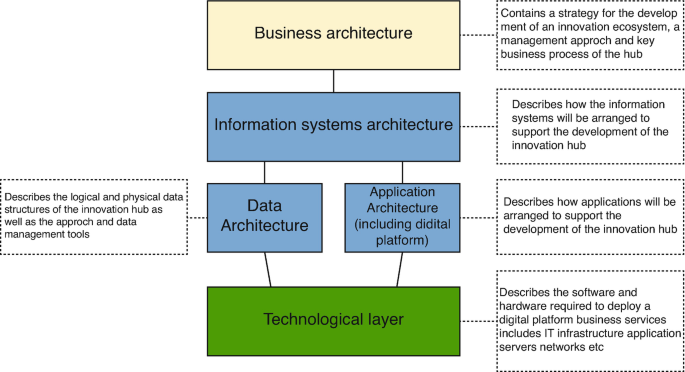
The cloud is where modern company facilities lives. Secret reasons companies are deepening cloud dedications: Pay-for-use prices keeps overhead lowInstant scaling throughout demand spikesBuilt-in redundancy safeguards business continuityGlobal access supports distributed and remote teamsFor leaders planning worldwide growth, cloud platforms get rid of the barriers that once made growth sluggish and pricey.
Ransomware, phishing, and information breaches now cost companies millions, along with something harder to reconstruct: trust. A single event can eliminate years of track record. This is precisely why cybersecurity has moved from the IT department to the conference room program. What a security-first approach appears like in 2026: Defense constructed into systems at the style phase, not added laterRegular audits and penetration testingEmployee training on phishing and social engineeringClear occurrence reaction plans evaluated before they are neededCompliance with data privacy policies such as GDPR and regional frameworksNon-compliance brings monetary penalties and public repercussions.

Latest Posts
A Strategic Roadmap to Digital Transformation Success
Securing Enterprise R&D Strategies
Enhancing Smart Systems Within Innovation